How Conveyor Performance Directly Impacts Leaching Efficiency
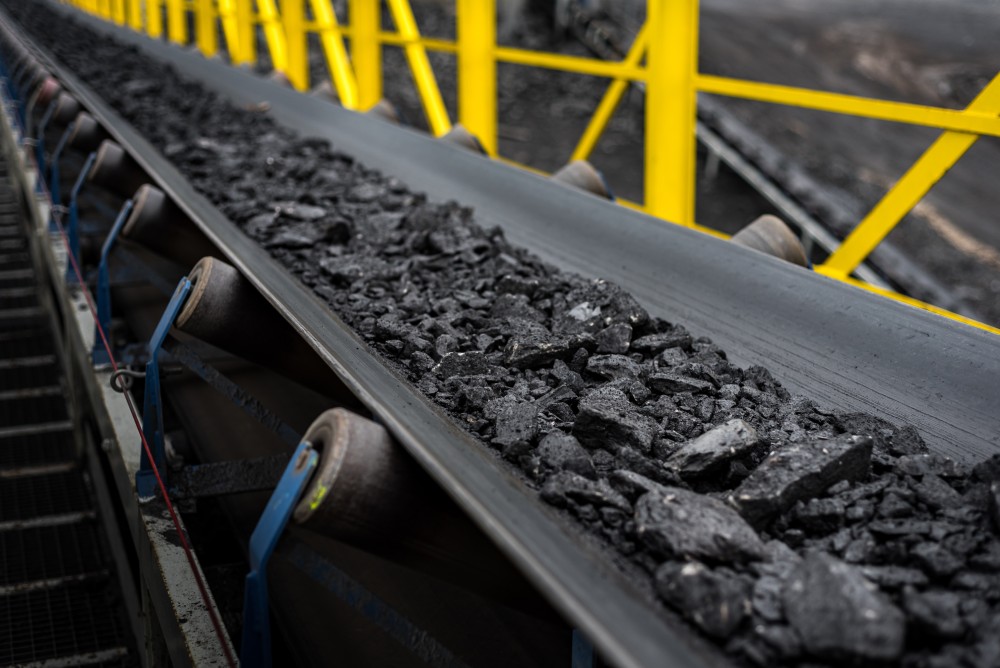
In mining leach operations, particularly heap leach, SX/EW systems, and preparation plants handling leach-ready or chemically exposed material, process efficiency is often evaluated through recovery rates, chemical consumption, and throughput. While factors like ore chemistry and irrigation design are typically the focus, one critical variable is often overlooked: conveyor performance.
Conveyors are not just a means of moving material from point A to point B. In leaching applications and preparation plant environments, they play a direct role in shaping how material is fed, transferred, stacked, distributed, and processed. When conveyor performance is inconsistent or unreliable, it can disrupt the entire leaching cycle, reducing efficiency, increasing costs, and limiting recovery.
THE LINK BETWEEN CONVEYOR PERFORMANCE & LEACHING OUTCOMES
Leaching efficiency depends on consistency—consistent material size, uniform stacking, and predictable solution flow through the heap. Conveyors sit upstream of all of these variables. For preparation plants, conveyor performance also affects how consistently material moves between crushing, screening, washing, dewatering, storage, and transfer points before it reaches the next stage of the leaching process.
Any disruption in material flow, whether due to inconsistent feed rates, segregation, or unplanned downtime, can create downstream inefficiencies that affect recovery and overall plant performance.
INCONSISTENT FEED RATES DISRUPT MATERIAL DISTRIBUTION
A steady, controlled feed rate is essential for building uniform heaps or maintaining stable flow through downstream processing stages. When conveyors deliver material inconsistently due to speed fluctuations, loading issues, or mechanical instability, it leads to uneven material distribution.
Within preparation plants, unstable conveyor feed can also create bottlenecks between equipment, overload transfer points, and make it harder to maintain a consistent feed into downstream leaching or processing circuits.
In heap leaching, this can result in:
- Variations in heap permeability
- Uneven solution flow paths
- Localized over- or under-irrigation
These inconsistencies reduce the effectiveness of chemical contact with the ore, ultimately lowering recovery rates.
MATERIAL SEGREGATION REDUCES LEACHING EFFECTIVENESS
Conveyors that do not maintain a consistent material profile can contribute to segregation, where larger particles separate from fines during transport and stacking.
In preparation plants, segregation can begin before material ever reaches the heap, especially at transfer points, discharge areas, stockpiles, or conveyors feeding screens and other processing equipment.
This has a direct impact on leaching:
- Fine materials may compact, restricting solution flow
- Coarse materials may allow the solution to bypass valuable ore
- Uneven distribution leads to inconsistent leaching across the heap
The result is inefficient use of chemicals and reduced overall recovery, even when upstream crushing and screening processes are properly controlled.
SPILLAGE & MATERIAL LOSS AFFECT THROUGHPUT & COSTS
Spillage is often viewed as a housekeeping or maintenance issue, but in leaching operations, it also affects process efficiency. In preparation plants, spillage around transfer points and conveyors can also interfere with cleanup schedules, equipment access, and the consistency of material moving through the plant.
Material lost during conveying:
- Reduces the total volume of ore available for processing
- Creates inconsistencies in feed rates downstream
- Requires rehandling, adding labor and equipment costs
Over time, even small amounts of spillage can impact throughput and introduce variability into the leaching process.
UNPLANNED DOWNTIME INTERRUPTS RESIDENCE TIME
Leaching is a time-dependent process. Whether in heap leach pads or continuous systems, maintaining consistent residence time is critical for maximizing recovery.
When conveyors experience unplanned downtime:
- Material flow to the heap or process is interrupted
- Stacking sequences are disrupted
- Irrigation cycles may become misaligned with material placement
These interruptions can lead to uneven leaching conditions and reduced efficiency across the operation.
In mining environments—especially remote sites—these disruptions are not only operationally challenging but can also significantly impact production targets.
In preparation plants, conveyor downtime can also cause upstream backups, downstream starvation, and interruptions between critical processing stages.
IMPROVING LEACHING EFFICIENCY THROUGH CONVEYOR PERFORMANCE
Designing conveyors for optimizing leaching efficiency isn’t just about reducing maintenance; it’s about improving overall process outcomes. By minimizing variability in material flow and reducing unplanned disruptions, operations can:
- Increase recovery rates through more consistent leaching conditions
- Reduce chemical consumption by improving solution contact efficiency
- Maintain steady throughput and production levels
- Lower operating costs associated with rework and downtime
In this way, conveyor performance becomes a key lever for improving both efficiency and profitability in leaching operations.
BOOST YOUR LEACHING PRODUCTIVITY WITH WEST RIVER CONVEYORS
In mining leach operations, efficiency is driven by consistency, and conveyors play a critical role in maintaining that consistency. From feed rate control and material distribution to uptime and reliability, conveyor performance directly impacts how effectively ore is processed and how much value is ultimately recovered.
WRC understands that conveyors are more than just material handling equipment—they are integral to process performance. By designing systems that prioritize reliability, consistency, and operational stability, we help mining operations improve leaching efficiency and achieve more predictable results.
If you’re looking to optimize your material handling system for better leaching performance, preparation plant efficiency, or more reliable process flow, our team is here to help.