



Electrical & Controls Integration for Mining Conveyors
In mining, conveyor performance isn’t just about steel and belting—it’s about how well the electrical and controls systems work with the mechanical design. Poor integration leads to hard starts, unnecessary wear, inconsistent operation, and avoidable downtime. Proper integration, on the other hand, creates smoother operation, longer equipment life, and better production consistency.
That’s why electrical and controls integration is a critical part of conveyor system design, not something added after the conveyor is built.
At West River Conveyors (WRC), electrical and controls engineering is integrated directly into the mechanical design process, resulting in conveyor systems that operate reliably in real mining conditions.
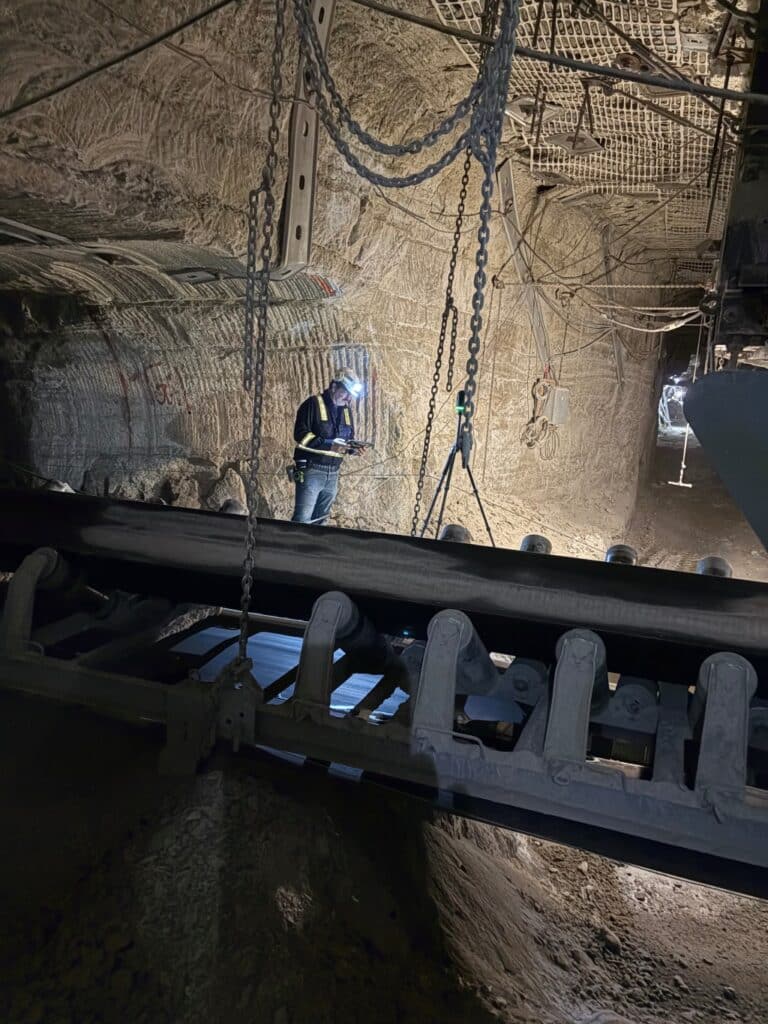
WHY ELECTRICAL & CONTROLS INTEGRATION MATTERS
When electrical and mechanical systems are designed separately, problems show up quickly. Motors start too aggressively, belts slip, components wear prematurely, and operators lack visibility into what’s happening on the conveyor.
Integrated electrical and controls systems solve these issues by coordinating:
- How conveyors start, stop, and ramp up
- How speed is controlled under changing loads
- How the system responds to faults or abnormal conditions
- How operators monitor performance in real time
The result is smoother operation, less mechanical stress, and fewer unplanned shutdowns.
SMOOTHER STARTS, LONGER EQUIPMENT LIFE
One of the biggest benefits of proper integration is the ability to control starting and stopping. Using modern controls and VFDs, conveyors can ramp up gradually instead of starting abruptly. This reduces shock to belts, pulleys, gearboxes, and bearings, extending component life and lowering maintenance costs.
Variable speed control also allows conveyors to operate at optimized speeds based on load, improving tons per hour while minimizing wear.
BETTER VISIBILITY & CONTROL FOR OPERATORS
Integrated controls give operators real-time insight into conveyor performance. Instead of reacting to failures, teams can identify issues early, track operating trends, and make informed decisions about maintenance and production.
This level of visibility improves uptime, safety, and overall system reliability, especially in large or remote mining operations.
DESIGNED TO WORK WITH EXISTING MINE INFRASTRUCTURE
Many mining operations rely on legacy electrical systems that can’t be replaced overnight. WRC designs electrical and controls systems to integrate with existing power and communication infrastructure whenever possible, making upgrades more practical and less disruptive.
This approach allows mines to improve performance without unnecessary downtime or complete system replacement.
ENGINEERED FOR REAL MINING CONDITIONS
Mining environments are hard on electrical equipment. Dust, moisture, vibration, and temperature extremes can quickly degrade poorly specified components.
WRC accounts for these conditions when selecting controls, enclosures, and layouts, ensuring long-term reliability in underground and surface applications alike.
INTEGRATED DESIGN THAT DELIVERS REAL RESULTS
What sets WRC apart is its integrated engineering approach. Electrical and controls design is not handled in isolation—it’s built into the conveyor design process from the beginning. This coordination results in systems that start smoother, run more efficiently, and last longer in the field.From underground conveyors to long overland (surface) systems, WRC’s integrated approach helps mining operations reduce downtime, improve reliability, and get more from their conveyor investment.